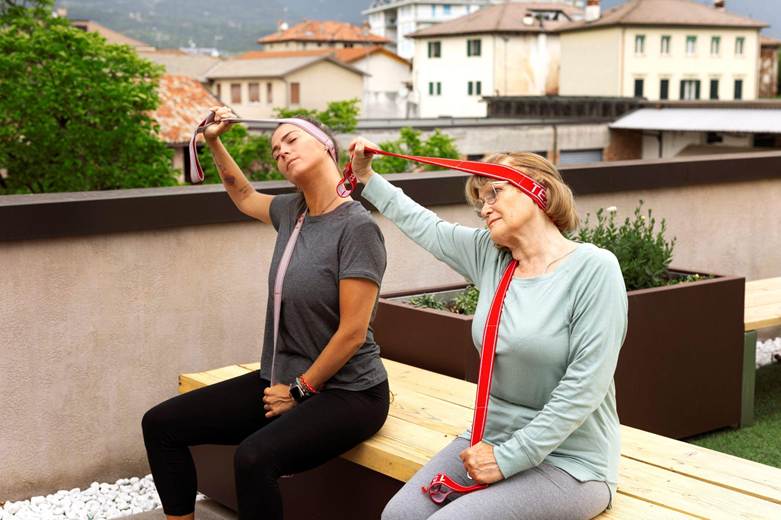
Recovery is often measured by whether pain decreases, but Tony Schuster of Spring Lake explains that true physical resilience involves building capacity beyond symptom relief. Physical reserve, the body’s ability to handle everyday demands with strength, confidence, and adaptability, is becoming an important focus in modern rehabilitation. By improving strength, balance, coordination, endurance, and functional ability, physical therapy helps individuals prepare not only to recover from challenges but also to better manage future physical demands.
Everyday life places constant demands on the human body. Carrying groceries, climbing stairs, lifting children, sitting through long meetings, gardening, traveling, or enjoying recreational activities all require physical capacity. The greater an individual’s physical reserve, the more comfortably the body can respond to these tasks without becoming overwhelmed by normal stresses.
What Is Physical Reserve?
Physical reserve refers to the body’s ability to perform activities beyond the minimum required for everyday function.
It is the difference between what the body can do and what it needs to do on any given day.
Imagine two people climbing the same flight of stairs. Both may reach the top successfully, but one finishes comfortably while the other feels fatigued or strained. The difference often lies in physical reserve rather than the task itself.
A larger reserve allows the body to meet life’s demands with greater efficiency and adaptability.
Capacity Creates Confidence
One of the most valuable aspects of building physical reserve is the confidence it creates.
When people know their bodies can comfortably tolerate movement, they are often better prepared to participate in everyday activities, recreational pursuits, and new physical challenges.
This confidence is not simply psychological; it is built through repeated experiences that demonstrate the body’s growing ability to perform safely and efficiently.
Over time, increased capacity supports greater independence and quality of life.
Daily Life Is Full of Unexpected Demands
Many physical activities cannot be planned in advance.
A person may suddenly need to:
- Catch themselves after tripping
- Lift a heavy package
- Walk longer than expected
- Help move furniture
- Play with grandchildren
- Carry luggage through an airport
The body benefits from having enough reserve to respond comfortably to these unexpected situations.
Physical therapy often aims to prepare individuals not only for today’s activities but also for tomorrow’s unforeseen demands.
Strength Is Only One Part of Capacity
Physical reserve involves much more than muscle strength alone.
It also depends on:
- Balance
- Coordination
- Endurance
- Joint mobility
- Flexibility
- Cardiovascular fitness
- Neuromuscular control
These systems work together to support efficient movement and help the body respond to changing physical demands.
Improving one area often contributes to better overall function, but long-term capacity depends on maintaining balance across multiple systems.
Building Reserve Takes Time
The human body adapts gradually.
Muscles strengthen, connective tissues remodel, coordination improves, and endurance increases through consistent activity over time.
This process reflects one of the body’s most remarkable characteristics, its ability to adapt to appropriately applied physical challenges.
Rather than expecting immediate transformation, physical therapy emphasizes steady, sustainable progress that supports lasting function.
Why Everyday Function Matters
Clinical progress is often measured by meaningful improvements in daily life rather than isolated performance in an exercise setting.
Questions physical therapists frequently consider include:
- Can the individual move more comfortably throughout the day?
- Has endurance improved?
- Are routine activities becoming easier?
- Has balance become more reliable?
- Is movement more efficient?
These functional outcomes often provide a more meaningful picture of long-term progress than any single exercise or measurement.
Physical Reserve Supports Healthy Aging
As people grow older, maintaining physical reserve becomes increasingly valuable.
Natural age-related changes in muscle mass, flexibility, and endurance make it even more important to preserve the body’s ability to adapt to physical demands.
Building reserve can support:
- Continued independence
- Safer mobility
- Recreational participation
- Confidence during daily activities
- Long-term physical resilience
Rather than simply responding to age-related changes, individuals can actively support their physical capacity throughout life.
Recovery Is About Preparing for the Future
Modern rehabilitation is increasingly forward-looking.
Instead of focusing only on resolving current symptoms, physical therapists often consider how individuals can remain active, resilient, and capable well into the future.
This perspective encourages patients to think beyond short-term recovery and toward building a body that is prepared for life’s ongoing demands.
The ultimate goal is not simply returning to previous function but supporting continued participation in the activities that matter most.
A Broader Definition of Success
Pain relief may represent an important milestone, but it is rarely the final destination.
Long-term success involves improving the body’s ability to tolerate activity, adapt to challenges, and maintain function across changing circumstances.
Physical reserve provides a useful framework for understanding this broader vision of rehabilitation, one that values resilience, preparation, and sustainable health rather than temporary improvement alone.
Conclusion
Modern physical therapy extends beyond helping people recover from discomfort; it also seeks to build the capacity needed for lifelong movement and independence. Physical reserve reflects the body’s ability to meet everyday demands with confidence, efficiency, and resilience. By focusing on strength, coordination, endurance, balance, and functional capacity, physical therapy encourages a proactive approach to wellness that prepares individuals not only to recover but also to thrive throughout every stage of life.